Independent Travel Guide
Discover the Ateneum Art Museum
Your comprehensive, independent guide to Finland's most celebrated art museum — from its Neo-Renaissance architecture to nearly 30,000 works of Finnish and international masterpieces.
Your comprehensive, independent guide to Finland's most celebrated art museum — from its Neo-Renaissance architecture to nearly 30,000 works of Finnish and international masterpieces.
Situated at Kaivokatu 2 in the heart of Helsinki, the Ateneum Art Museum stands as Finland's most renowned cultural institution. Named after the Greek goddess Pallas Athena — the protectress of knowledge and wisdom — the museum has been the home of art since its public opening on 13 October 1888.
As part of the Finnish National Gallery, alongside the Museum of Contemporary Art Kiasma and the Sinebrychoff Art Museum, the Ateneum houses the nation's oldest and largest collection of classical art, spanning from 18th-century Rococo portraiture to the bold experiments of 20th-century Modernism.
Explore comprehensive guides covering the Ateneum's history, collections, architecture, and the broader Helsinki art scene.
Tracing the remarkable journey of Finland's most beloved art museum from its 19th-century origins to its present-day status as a world-class cultural institution.
The story of the Ateneum Art Museum begins long before its Neo-Renaissance doors first opened to the public. In 1846, the Finnish Art Society was founded with an ambitious mission: to establish the fundamental prerequisites for art in Finland, encompassing both art education and exhibition activities. This visionary organization laid the groundwork for what would eventually become the nation's most important cultural institution.
The concept for a unified house of the arts originated with Carl Gustaf Estlander, a professor of aesthetics who envisioned a single building where the visual arts and the applied arts could thrive side by side. This ambitious construction project, dubbed "a million-markka palace" by the press, generated both tremendous interest and considerable opposition among Helsinki's citizens and political establishment.
Architect Theodor Höijer was selected to design the building, and his Neo-Renaissance masterpiece was completed in 1887. The Ateneum officially opened to the public on 13 October 1888, initially housing not only the art collection but also the drawing school of the Finnish Art Society and the collection and school of the Finnish Society of Crafts and Design. These art schools were remarkably progressive for their era, welcoming both female and male students from the very beginning — a policy that was among the most modern in all of Europe.
Throughout the decades that followed, the Ateneum served as both museum and educational institution. Many of Finland's most prominent artists and designers studied within its walls until the 1980s. The building also housed the Finnish Academy of Fine Arts and the University of Art and Design Helsinki until 1991, when the Ateneum transitioned to serve exclusively as an art museum. The drawing school evolved into the Academy of Fine Arts, now part of the University of the Arts Helsinki, while the applied arts collection found its home at the Design Museum.
Today, the Ateneum attracts hundreds of thousands of visitors annually, making it Finland's most visited art museum. Its collections and exhibitions continue to generate new perspectives, insights, and empathy through the transformative power of art, fulfilling the original vision of its founders more than a century ago.
Discover the celebrated Finnish artists whose masterworks form the heart of the Ateneum's permanent collection, from Edelfelt to Schjerfbeck.
The Ateneum Art Museum is home to an extraordinary collection of works from the Finnish Golden Age of art, a period spanning roughly from the 1880s to the early 1900s when Finnish artists created some of the most iconic images in Nordic cultural history. These masterpieces not only defined Finnish visual identity but also contributed significantly to the broader European art movements of the era.
Albert Edelfelt (1854–1905) stands as one of the most internationally recognized Finnish painters. His work "The Luxembourg Garden" (1887) exemplifies his mastery of plein-air painting and his deep connection to French Impressionism. Edelfelt's "Women Outside the Church at Ruokolahti" (1887) captures the quiet dignity of Finnish rural life with remarkable sensitivity and technical brilliance.
Akseli Gallen-Kallela (1865–1931) is perhaps best known for his monumental "Aino Myth Triptych" (1891), a powerful visualization of scenes from the Kalevala, Finland's national epic. His bold compositions and vivid palette helped forge a distinctly Finnish artistic identity that drew from national mythology while engaging with international Symbolism and Art Nouveau.
Helene Schjerfbeck (1862–1946) is celebrated for her deeply personal artistic evolution. Her early masterpiece "The Convalescent" (1888), painted when she was just 26, demonstrates extraordinary emotional depth and technical refinement. Over her long career, Schjerfbeck's style evolved from naturalism toward increasingly abstract and psychologically penetrating self-portraits that have earned her recognition as one of the most important Nordic artists of the modern era.
Hugo Simberg (1873–1917) contributed one of the most beloved works in Finnish art: "The Wounded Angel" (1903), which was voted Finland's national painting in a 2006 public poll. This enigmatic and deeply moving image of two solemn boys carrying a bandaged angel through a Finnish landscape continues to captivate viewers with its mysterious symbolism and emotional resonance.
Eero Järnefelt (1863–1937) brought social consciousness to Finnish art with works like "Under the Yoke (Burning the Brushwood)" (1893), a powerful depiction of Finnish agricultural labor that became an icon of national identity. Ellen Thesleff (1869–1954) pushed the boundaries of Finnish art with her bold experiments in color and form, creating works that bridged Symbolism and early Modernism.
The Ateneum's international collection includes approximately 650 works, featuring a historic Van Gogh acquisition that made museum history.
While the Ateneum is primarily celebrated for its Finnish art collection, the museum also houses an impressive array of approximately 650 international works that place Finnish art within the broader context of European artistic development. Among these international treasures, one painting holds a particularly distinguished place in art history.
Vincent van Gogh's "Street in Auvers-sur-Oise" (1890), painted during the final months of the artist's life, was deposited at the Ateneum in 1903. This acquisition made the Ateneum the first museum collection in the world to include a painting by Vincent van Gogh — a remarkable distinction that underscores the museum's forward-thinking approach to collecting even in its earliest decades.
Paul Cézanne's "The Road Bridge at L'Estaque" (1879–1882) represents another cornerstone of the international collection. This landscape demonstrates Cézanne's revolutionary approach to form and perspective that would profoundly influence the development of modern art, from Cubism to Abstract Expressionism.
The collection also features works by Edvard Munch, the Norwegian Expressionist whose "Bathing Men" (1907–1908) at the Ateneum showcases his bold approach to the human figure and his distinctive use of color and line. Amedeo Modigliani's "Portrait of the Artist Léopold Survage" (1918) brings Italian Modernism into dialogue with the Nordic collection, while works by Marc Chagall, Paul Gauguin, Vilhelm Hammershøi, and Fernand Léger further enrich the international dimension of the museum's holdings.
In recent years, the Ateneum has organized highly successful temporary exhibitions featuring international artists such as Pablo Picasso, Amedeo Modigliani, and Tove Jansson, drawing record-breaking visitor numbers and reinforcing the museum's role as a bridge between Finnish and international art worlds. These exhibitions demonstrate the Ateneum's commitment to presenting art in a global context while maintaining its core identity as the home of Finnish art.
A detailed look at Theodor Höijer's architectural masterpiece, from the symbolic facade sculptures to the Latin inscription above the entrance.
The Ateneum building itself is a work of art that rewards careful observation. Designed by architect Theodor Höijer and completed in 1887, the Neo-Renaissance structure stands on the south side of Rautatientori (Railway Square), directly across from the Helsinki Central Railway Station. Its facade tells a rich visual narrative about the relationship between the arts and Finnish cultural identity.
The sculptural program of the main facade was created by Carl Eneas Sjöstrand in the 1880s and forms a carefully conceived iconographic scheme. Above the main entrance, on the second floor, visitors can observe busts of three titans of classical art: the architect Bramante, the painter Raphael, and the sculptor Phidias. These figures represent the pinnacle of achievement in their respective disciplines and establish a connection between Finnish art and the grand tradition of Western art.
Rising above the busts on the third floor, four magnificent caryatids support the pediment. These female figures symbolize the four classical art forms: sculpture, painting, geometry, and architecture. The facade culminates in an elaborate sculptural composition at the pediment, where the Goddess of Art, Pallas Athene, blesses the products of the different art forms — a fitting tribute for a building named in her honor.
Below the pediment, visitors will notice the Latin inscription "Concordia res parvae crescunt," which translates to "With concord, small things increase." In Helsinki, this phrase is traditionally understood as a reference to the long and sometimes contentious campaign by Finnish art circles to establish the museum — a reminder that great cultural achievements often require patience, collaboration, and persistence.
Between the second-floor windows, 16 medallion-style reliefs by Ville Vallgren depict some of Finland's most distinguished creative figures of the era, including the painter Aleksander Lauréus, landscape artist Werner Holmberg, and the architect Carl Ludvig Engel, who designed many of Helsinki's most iconic Neoclassical buildings. Additional ornamental elements were sculpted by Magnus von Wright, adding further layers of artistic detail to the facade.
Inside the building, the lobby features "Apollo and Marsyas" by Walter Runeberg (1874), a sculptural work that continues the classical themes established on the exterior. The building is owned by Senate Properties (Senaatti-kiinteistöt), the Finnish government's real estate provider, ensuring its preservation as a national architectural landmark.
Practical guidance on reaching the museum by public transport, on foot, or by car, plus accessibility information for all visitors.
The Ateneum Art Museum enjoys one of the most accessible locations of any major art museum in Europe. Situated at Kaivokatu 2, directly on the south side of Rautatientori (Railway Square), the museum is essentially impossible to miss for anyone arriving in Helsinki by train. The Helsinki Central Railway Station — itself an architectural landmark designed by Eliel Saarinen — stands just steps away across the square.
For visitors arriving by air, Helsinki-Vantaa Airport is connected to the city center by the Ring Rail Line (I and P trains), which takes approximately 30 minutes to reach Helsinki Central Station. From the station, the Ateneum is a short walk of less than two minutes. Airport buses and taxis also serve the route, though the train is generally the most efficient option.
Helsinki's comprehensive public transport network, operated by HSL (Helsinki Region Transport), makes reaching the Ateneum straightforward from virtually any part of the metropolitan area. Trams, buses, and metro lines all converge near the Central Railway Station. Tram lines 1, 2, 4, 5, 7, and 9 stop within easy walking distance. The Helsinki metro station "Rautatientori" provides direct underground access to the square.
For those exploring Helsinki on foot, the Ateneum is ideally positioned along several popular walking routes. The museum is approximately 10 minutes on foot from Senate Square and Helsinki Cathedral, 15 minutes from the Market Square and South Harbour, and within easy reach of the Design District and Esplanadi Park.
Cyclists will find bike parking facilities near the museum, and Helsinki's city bike system (available from spring through autumn) has stations in the immediate vicinity. For visitors arriving by car, several parking garages operate in the city center, though driving in central Helsinki is generally unnecessary given the excellent public transport connections.
The Ateneum is committed to accessibility for all visitors. The museum provides wheelchair access, and visitors with prams are welcome. Audio guides are available through the Ateneum Guide app, which works on visitors' personal smartphones via the internet browser. The museum recommends visiting during quieter periods — typically weekday evenings after 17:00 — for a more comfortable experience, as mornings between 10:00 and 13:00 tend to be the busiest times.
Understanding how the Ateneum connects with Kiasma and the Sinebrychoff Art Museum to form Finland's national art collection.
The Ateneum Art Museum does not exist in isolation but forms one third of the Finnish National Gallery, a tripartite institution that together preserves and presents Finland's national art heritage. Understanding the relationship between the three museums enriches any visit to the Ateneum and opens the door to a comprehensive exploration of art in Finland across all periods and styles.
The Ateneum itself focuses on Finnish art from the 18th century through Modernism, with its collection spanning from Rococo portraiture to the experimental movements of the mid-20th century. Artists who began their careers before the 1960s are generally represented at the Ateneum, making it the primary destination for visitors interested in classical Finnish art, the Golden Age, and early Modernism.
The Museum of Contemporary Art Kiasma, designed by American architect Steven Holl and opened in 1998, takes up the story where the Ateneum leaves off. Kiasma focuses on contemporary art from the 1960s onward, presenting Finnish and international works in a striking architectural setting that has itself become one of Helsinki's most photographed buildings. Located just a short walk from the Ateneum along Mannerheimintie, Kiasma offers a dynamic complement to the Ateneum's classical holdings.
The Sinebrychoff Art Museum, housed in a historic mansion in the Punavuori district, specializes in old European art dating from the 14th to the 19th centuries. Its collection of Old Masters, period interiors, and decorative arts provides the international historical context that enriches understanding of the Finnish art presented at the Ateneum. The museum is named after the Sinebrychoff family, whose art collection and residence form the core of the institution.
Together, these three museums hold a combined collection that constitutes a significant part of Finland's shared national heritage. The entire collection can be explored online through the Finnish National Gallery website, where visitors can search for works by title, year, artist's name, or theme. Copyright-free works can even be downloaded directly from the website, reflecting the institution's commitment to making art accessible to all.
For visitors planning to explore all three museums, the Finnish Museum Card offers an economical way to access the Ateneum, Kiasma, Sinebrychoff, and hundreds of other museums across Finland for an annual fee. This makes it particularly worthwhile for travelers planning an extended cultural exploration of Helsinki and beyond.
A guide to the Ateneum's permanent exhibition, which traces the development of Finnish art from 1809 through the 1950s.
The Ateneum's permanent collection exhibition, "Stories of Finnish Art," offers visitors a chronological journey through the development of art in Finland from 1809 — the year Finland became an autonomous Grand Duchy under Russian rule — through the 1950s. This carefully curated presentation weaves together individual artistic achievements with the broader narrative of Finnish national identity and cultural evolution.
The exhibition begins with the early 19th century, when Finnish art was still finding its voice within the broader Scandinavian and European traditions. Visitors encounter the foundational works that established the visual vocabulary of Finnish art, including landscape paintings that first captured the distinctive beauty of the Finnish countryside — its forests, lakes, and the unique quality of Nordic light.
The heart of the permanent collection lies in the Golden Age galleries, where the works of Edelfelt, Gallen-Kallela, Schjerfbeck, Simberg, Järnefelt, and their contemporaries are displayed. These rooms contain some of the most recognizable images in Finnish culture — works that have been reproduced on stamps, currency, and textbooks, becoming part of the collective visual memory of the nation.
Moving into the early 20th century, the exhibition traces the emergence of Finnish Modernism, showing how artists responded to international movements such as Expressionism, Cubism, and Abstract art while maintaining distinctly Finnish sensibilities. The interplay between national identity and international influence is a recurring theme that gives the collection its particular richness and complexity.
The Ateneum Guide, an audio guide accessible through visitors' smartphones, offers additional perspectives and insights throughout the exhibition. This digital companion enriches the viewing experience with art historical context, biographical information about the artists, and interpretive commentary that helps visitors engage more deeply with the works on display.
The collection includes nearly 30,000 works in total — encompassing paintings, sculptures, prints, and drawings — though only a fraction can be displayed at any given time. The museum regularly rotates works and refreshes its presentation, meaning that repeat visitors often encounter new arrangements and previously unseen pieces. This dynamic approach to the permanent collection ensures that the Ateneum remains a living, evolving institution rather than a static repository.
Plan a full day of cultural exploration starting at the Ateneum and extending through Helsinki's vibrant art and design neighborhoods.
The Ateneum's central location makes it the perfect starting point for a comprehensive walking tour of Helsinki's rich art and cultural landscape. With world-class museums, galleries, and design studios clustered within a compact city center, visitors can easily spend a full day immersed in Finnish creativity without ever needing to board a bus or tram.
Beginning at the Ateneum on Railway Square, visitors can first take in the impressive exterior of the Helsinki Central Railway Station, designed by Eliel Saarinen and completed in 1919. This Art Nouveau masterpiece, with its distinctive granite facade and iconic lamp-bearing statues, is one of the most recognized buildings in Finland and sets the tone for a day of architectural appreciation.
A short walk west along Mannerheimintie leads to the Museum of Contemporary Art Kiasma, the Ateneum's sister institution within the Finnish National Gallery. Steven Holl's fluid, light-filled building is a dramatic contrast to Höijer's Neo-Renaissance Ateneum, and the contemporary art within offers a stimulating counterpoint to the classical works seen earlier.
Continuing south, visitors enter the Helsinki Design District, a creative neighborhood encompassing roughly 25 streets and over 200 shops, galleries, studios, and museums. The Design Museum, which traces the history of Finnish design from the 19th century to the present, is a highlight of this area. Nearby, the Museum of Finnish Architecture offers further insight into the built environment that shapes Finnish daily life.
The walking tour can extend to Senate Square, dominated by Carl Ludvig Engel's magnificent Helsinki Cathedral and surrounded by Neoclassical government buildings. The Helsinki City Museum, located nearby, provides free admission and offers an engaging introduction to the city's history. From Senate Square, it is a pleasant walk down to the Market Square and South Harbour, where visitors can enjoy the waterfront atmosphere and perhaps take a ferry to the historic island fortress of Suomenlinna, a UNESCO World Heritage Site.
For those with energy remaining, the Sinebrychoff Art Museum in the Punavuori district completes the Finnish National Gallery trio. The walk from the Ateneum to the Sinebrychoff takes approximately 20 minutes through some of Helsinki's most charming streets, passing through the Esplanadi Park and the bustling Bulevardi area. This full circuit provides an unparalleled overview of Finnish art, design, and architecture spanning several centuries.
Why the darker months offer a uniquely rewarding museum experience, from Lux Helsinki to cozy gallery afternoons.
While Helsinki is often associated with its luminous summer months, the Finnish capital offers a distinctly different but equally compelling experience during winter. For art lovers and museum enthusiasts, the colder months from November through February present unique advantages that make a winter visit to the Ateneum and Helsinki's broader cultural scene particularly rewarding.
The shorter daylight hours of the Finnish winter — with the sun setting as early as 15:00 in December — create a natural incentive to spend extended time in the warm, beautifully lit galleries of the Ateneum. The museum's extended Thursday evening hours (until 20:00) are especially popular during winter, offering visitors the chance to experience art in a more contemplative, less crowded atmosphere as darkness envelops the city outside.
Lux Helsinki, the annual light art festival held in January, transforms the city center into an open-air gallery of light installations. Many of these installations are positioned near the Ateneum and Railway Square, creating a magical synergy between the museum's interior treasures and the illuminated cityscape outside. The festival typically runs for several days and is free to attend, making it an excellent complement to a museum visit.
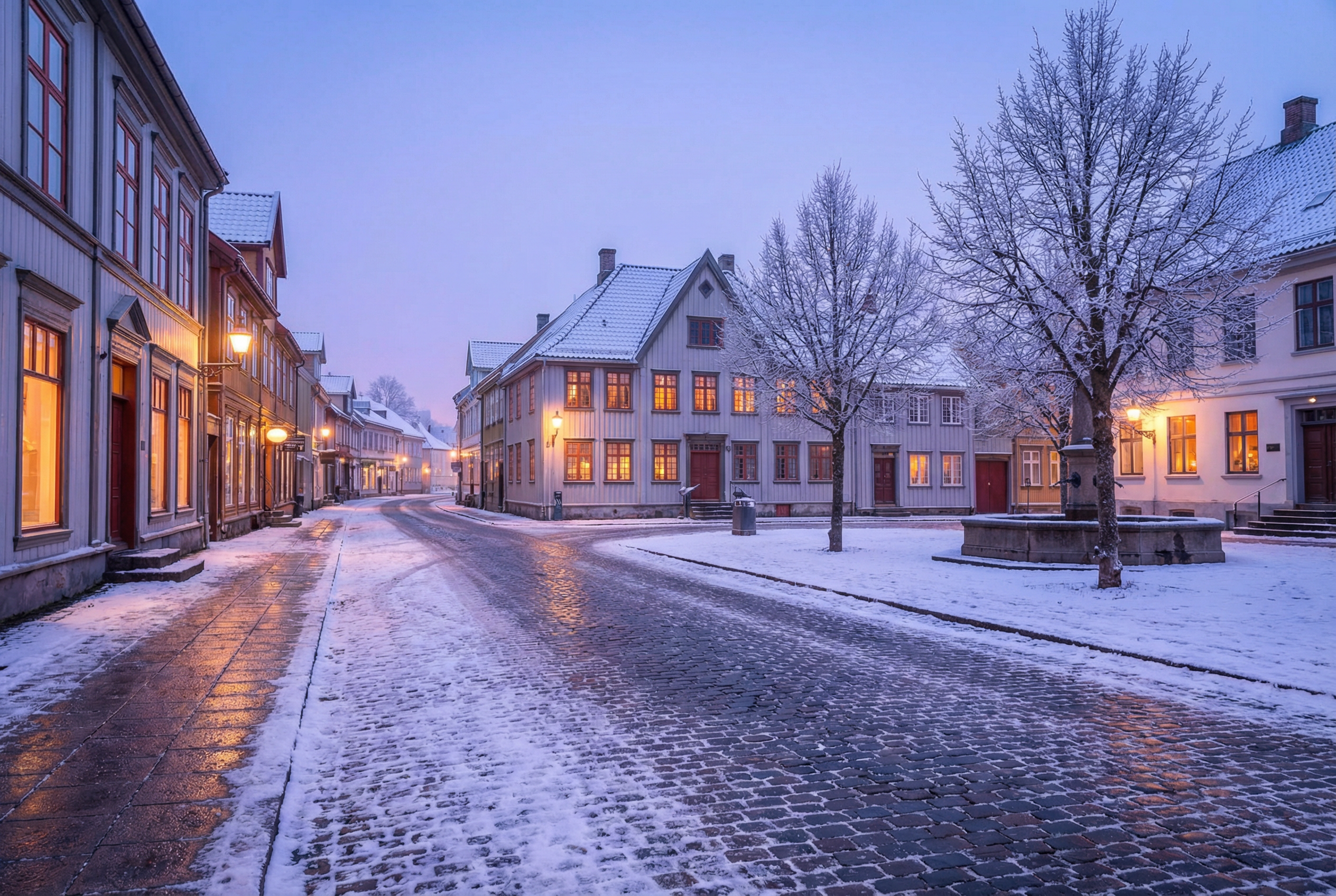
The winter season also coincides with Helsinki's vibrant Christmas market tradition. The Helsinki Christmas Market, typically held in Senate Square during December, offers traditional Finnish crafts, seasonal foods, and a festive atmosphere that pairs beautifully with a cultural day at the museums. The warm glow of market stalls against the snow-covered Neoclassical architecture creates scenes worthy of the Golden Age painters displayed inside the Ateneum.
Practical considerations for winter visitors include dressing in warm layers, as temperatures can drop well below freezing. However, Helsinki's buildings, public transport, and museums are all well-heated, so visitors will be comfortable once indoors. The city's excellent tram network runs reliably even in heavy snow, making it easy to move between cultural attractions without extended exposure to the elements.
Winter is also an ideal time to experience Finnish café culture. Helsinki's numerous cafes — many located within walking distance of the Ateneum — offer the perfect setting for reflecting on the art just seen over a cup of Finnish coffee and a traditional pulla (cardamom bread). This combination of art, warmth, and Nordic hospitality makes winter one of the most authentic times to experience Helsinki's cultural identity.
How Finland's national epic inspired generations of artists whose works now hang in the Ateneum's galleries.
The Kalevala, Finland's national epic compiled by Elias Lönnrot from traditional Finnish oral poetry and published in its final form in 1849, has been one of the most powerful sources of inspiration for Finnish visual art. The Ateneum's collection contains numerous works that draw directly from Kalevala themes, making the museum an essential destination for anyone interested in understanding the deep connections between Finnish mythology, national identity, and artistic expression.
Akseli Gallen-Kallela's monumental "Aino Myth Triptych" (1891) is perhaps the most celebrated Kalevala-inspired work in the Ateneum. This three-panel painting depicts scenes from the story of Aino, a young woman who drowns herself rather than marry the aged wizard Väinämöinen. Gallen-Kallela's powerful composition combines naturalistic Finnish landscapes with mythological narrative, creating images that have become inseparable from Finnish cultural consciousness.
The Kalevala's influence on Finnish art extended far beyond individual paintings. During the late 19th and early 20th centuries, as Finland sought to establish a distinct national identity separate from both Swedish and Russian cultural influence, the Kalevala provided a uniquely Finnish mythological framework. Artists turned to its stories of heroes, wizards, and the mystical land of Pohjola to create a visual vocabulary that was unmistakably Finnish.
This artistic movement, sometimes called Karelianism, saw artists traveling to the Karelian region of eastern Finland to study the landscapes, architecture, and folk traditions that had preserved the oral poetry from which the Kalevala was compiled. The resulting artworks combined careful observation of Finnish nature with imaginative interpretations of mythological scenes, producing a body of work that remains central to Finnish cultural identity.
The Ateneum's collection allows visitors to trace the evolution of Kalevala-inspired art from its Romantic beginnings through Symbolism and into early Modernism. Each generation of Finnish artists brought new perspectives to these ancient stories, ensuring that the Kalevala remained a living source of creative inspiration rather than a static relic of the past. For international visitors, these works offer a fascinating window into the mythological foundations of Finnish culture and the role that art played in building national consciousness.
Beyond the Ateneum, Kalevala themes can be found throughout Helsinki — in public sculptures, architectural decorations, and the collections of other museums. The Ateneum's presentation of these works within their art historical context provides the essential foundation for understanding this rich tradition.
Essential practical advice for first-time visitors, including photography policies, quietest visiting times, and insider recommendations.
A visit to the Ateneum Art Museum is most rewarding when approached with some advance planning and awareness of museum etiquette. Whether you are a seasoned museum-goer or visiting a major art institution for the first time, these practical insights will help you make the most of your experience at Finland's premier art museum.
Photography policies at the Ateneum vary depending on the exhibition. The permanent collection generally permits non-flash photography for personal use, but temporary exhibitions may have restrictions based on loan agreements and copyright considerations. It is always advisable to check the current policy at the entrance or on the museum's website before your visit. When photography is permitted, be mindful of other visitors and avoid using flash, tripods, or selfie sticks, which can obstruct movement and disturb the viewing experience.
Timing your visit can significantly affect your experience. The Ateneum's quietest periods are typically weekday evenings after 17:00, particularly on Thursdays when the museum remains open until 20:00. The busiest times are generally weekday mornings between 10:00 and 13:00, and weekend afternoons. If you prefer a contemplative, uncrowded experience, planning your visit for a late afternoon or Thursday evening is highly recommended.
The Ateneum Guide, accessible through your smartphone's web browser, serves as a free audio companion throughout the exhibition. This digital guide offers art historical context, artist biographies, and interpretive insights that significantly enrich the viewing experience. Bringing earphones is recommended so you can listen comfortably without disturbing other visitors.
The museum's ground floor typically houses temporary exhibitions, while the upper floors present the permanent collection. Allow at least two hours for a thorough visit to the permanent collection alone, and additional time if a temporary exhibition is on view. Many visitors find that taking breaks — perhaps at the museum café — helps maintain fresh eyes and attention throughout a longer visit.
Bags and coats can be stored in the cloakroom, which is free of charge. The museum shop, located near the entrance, offers art books, prints, and Finnish design objects that make thoughtful souvenirs. Visiting the shop at the beginning of your visit can help you identify works you particularly want to seek out in the galleries, while a return visit at the end allows you to purchase items related to your favorite discoveries.
From Suomenlinna fortress to the Design District, explore the cultural attractions that complement a visit to the Ateneum.
Helsinki's cultural offerings extend far beyond the walls of the Ateneum, and visitors who take the time to explore the broader landscape will discover a city that punches well above its weight in terms of artistic and cultural richness. The Finnish capital's compact size makes it possible to experience an extraordinary range of cultural attractions within a few days of focused exploration.
Suomenlinna, the historic sea fortress spread across several islands just a 15-minute ferry ride from Helsinki's Market Square, is a UNESCO World Heritage Site that combines military history, architecture, and natural beauty. Originally built by the Swedes in the 18th century, the fortress offers museums, galleries, walking trails, and stunning views of the Helsinki archipelago. The ferry journey itself provides a memorable perspective on the city's waterfront.
The Helsinki Design District, encompassing roughly 25 streets in the Punavuori and Kaartinkaupunki neighborhoods, is a must-visit for anyone interested in Finnish design — a field in which Finland has achieved global recognition. The district includes the Design Museum, which traces the evolution of Finnish design from its Arts and Crafts origins to contemporary innovation, as well as numerous independent galleries, studios, and boutiques showcasing current Finnish creative talent.
Amos Rex, a privately funded art museum that opened in 2018 beneath the historic Lasipalatsi (Glass Palace) building, has quickly become one of Helsinki's most popular cultural destinations. Its dramatic underground exhibition spaces, visible from street level through distinctive dome-shaped skylights, host ambitious exhibitions of contemporary and modern art that complement the Ateneum's historical focus.
The Helsinki Art Museum (HAM) presents contemporary art in the Tennis Palace building on Eteläinen Rautatiekatu, while the Didrichsen Art Museum on the island of Kuusisaari offers a more intimate experience combining modern art with Asian and pre-Columbian collections in a beautiful architectural setting surrounded by nature.
For architecture enthusiasts, Helsinki offers an exceptional range of styles within a compact area. From Engel's Neoclassical Senate Square to Saarinen's Art Nouveau railway station, from Aalto's Finlandia Hall to Holl's contemporary Kiasma, the city reads as a living textbook of architectural history. Several operators offer guided architecture walking tours that provide expert context for these buildings and their significance in Finnish cultural development.
Helsinki transforms with each season, offering distinct experiences for art and culture enthusiasts throughout the year.
Experience Lux Helsinki light festival, cozy museum afternoons, Christmas markets at Senate Square, and the magical atmosphere of snow-covered Nordic architecture. Shorter days make indoor cultural activities especially appealing.
Watch Helsinki awaken as days lengthen rapidly. Celebrate Vappu (May Day) with locals, enjoy emerging outdoor café culture, and explore museums before the summer crowds arrive. Spring exhibitions often debut during this period.
Nearly 24 hours of daylight, the Helsinki Festival (Nordics' largest arts festival), extended museum hours, outdoor concerts, and island-hopping in the archipelago. The most popular season for international visitors.
Golden foliage frames the city as the cultural season begins in earnest. Helsinki Design Week, new exhibition openings, and fewer tourists create ideal conditions for thoughtful museum visits and gallery exploration.
The Ateneum's collection encompasses over 4,300 paintings, 750 sculptures, and thousands of prints and drawings — together forming the most comprehensive survey of Finnish art in existence. From 18th-century Rococo portraiture to mid-20th-century Modernism, these works trace the full arc of Finnish artistic achievement.
The collection also includes approximately 650 international works, placing Finnish art within the broader context of European artistic development and demonstrating the cross-cultural dialogues that have enriched Finnish art throughout its history.
Practical advice to help you plan a comfortable and rewarding visit to the Ateneum Art Museum.
The museum is at Kaivokatu 2, directly across from Helsinki Central Railway Station. Accessible by tram, metro, bus, and on foot from most central hotels.
Weekday evenings after 17:00 are the quietest. Thursday late hours (until 20:00) offer a relaxed atmosphere. Avoid 10:00–13:00 on weekdays for fewer crowds.
The free Ateneum Guide works on your smartphone browser — no app download needed. Bring earphones for a richer, more informative gallery experience.
Take a break at the museum café between galleries. A coffee pause helps maintain fresh eyes and attention during longer visits. Allow at least two hours total.
Non-flash photography is generally permitted in the permanent collection. Temporary exhibitions may have restrictions — check at the entrance before shooting.
The Finnish Museum Card grants access to the Ateneum, Kiasma, Sinebrychoff, and hundreds more museums across Finland — ideal for extended cultural trips.
Common questions about visiting the Ateneum Art Museum, answered by our independent editorial team.
The Ateneum Art Museum is located at Kaivokatu 2, Helsinki, Finland. It sits on the south side of Rautatientori (Railway Square), directly across from the Helsinki Central Railway Station. The museum is easily accessible by tram, metro, bus, train, and on foot from most central Helsinki locations.
The Ateneum houses Finland's largest collection of classical art, spanning from 18th-century Rococo portraiture to mid-20th-century Modernism. The collection includes over 4,300 paintings, 750 sculptures, and thousands of prints and drawings. Highlights include works by Finnish masters such as Akseli Gallen-Kallela, Helene Schjerfbeck, and Hugo Simberg, as well as international artists including Vincent van Gogh, Paul Cézanne, and Edvard Munch.
The quietest times at the Ateneum are typically weekday evenings after 17:00, especially on Thursdays when the museum stays open until 20:00. The busiest periods are weekday mornings between 10:00 and 13:00 and weekend afternoons. For a more contemplative experience, plan your visit during the quieter evening hours.
Yes, the Ateneum provides wheelchair access throughout the museum. Visitors with prams are also welcome. The museum is committed to accessibility for all visitors. For specific accessibility questions or to arrange assistance, visitors can contact the museum directly at ainfo@ateneum.fi or call +358 294 500 401.
The most convenient route is the Ring Rail Line (I and P trains), which connects Helsinki-Vantaa Airport to Helsinki Central Railway Station in approximately 30 minutes. From the station, the Ateneum is less than a two-minute walk across Railway Square. Airport buses and taxis are also available, though the train is generally the most efficient and economical option.
Several major museums are within easy walking distance of the Ateneum. The Museum of Contemporary Art Kiasma is a short walk along Mannerheimintie. The Helsinki City Museum at Senate Square offers free admission. Amos Rex is located in the nearby Lasipalatsi building. The Design Museum and Museum of Finnish Architecture are in the Design District, about 15 minutes on foot. The Sinebrychoff Art Museum is approximately 20 minutes' walk in the Punavuori district.